Course step 18 of 29 · Adverse conditions
Rain and fog
Rain cuts grip and visibility at the same time. The first minutes after a dry spell are the worst: the water mixes with oil and dust and turns the surface into a thin, slippery film. Slow down, increase your gap to the vehicle ahead and brake earlier and more gently. Switch on dipped headlights so others can see you, and keep the windows clear with the demister and air conditioning.
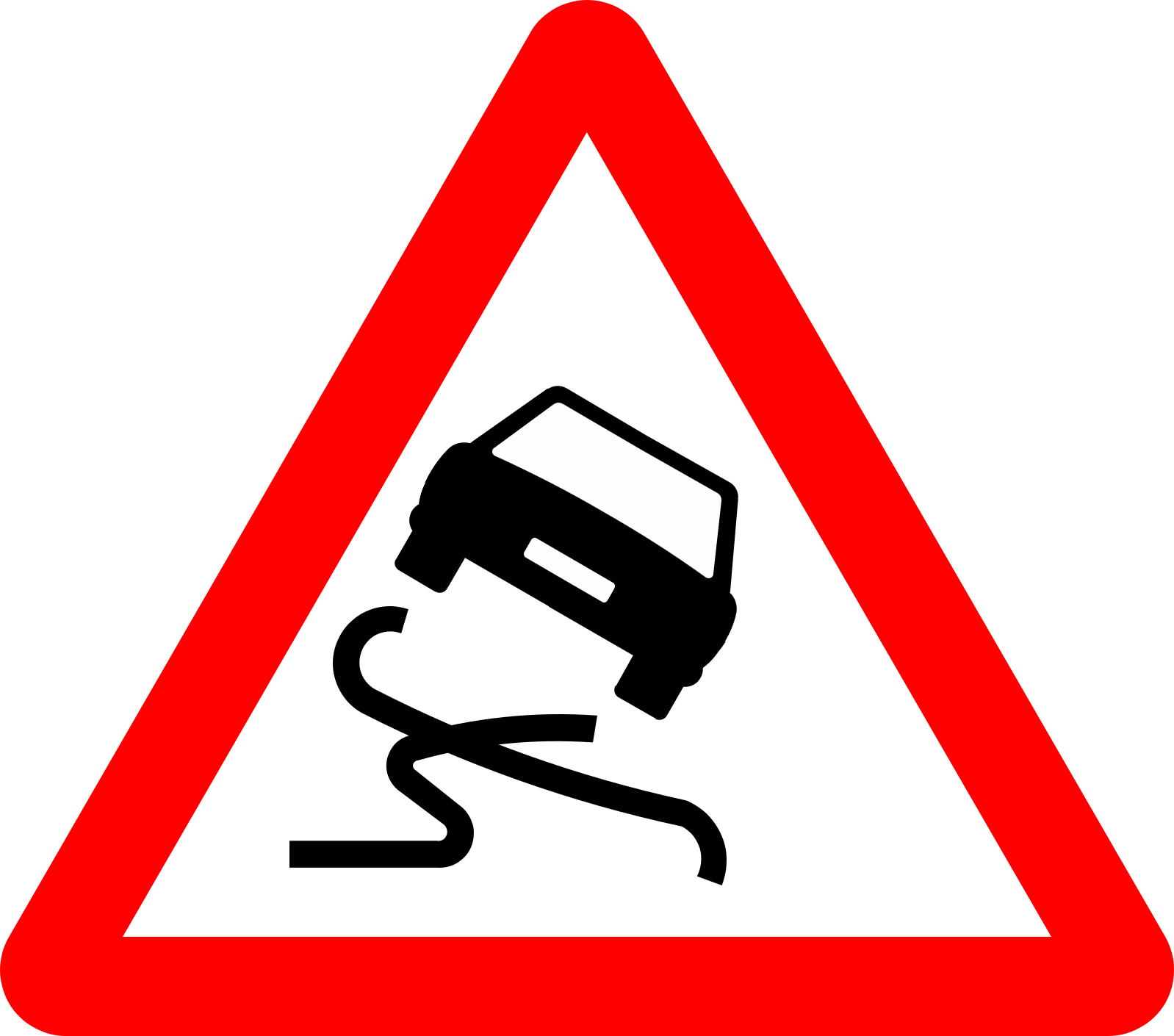
How the law puts it«El conductor está obligado a adecuar la velocidad a las condiciones meteorológicas, ambientales y de circulación.» Check
When is the road surface usually most slippery?
¿Cuándo suele ser más deslizante la calzada?
The first drops mix with built-up oil and dust; long rain eventually washes the road clean.
In rain, your gap to the vehicle in front should...
Con lluvia, la distancia de seguridad con el vehículo que le precede debe...
On a wet road you need more metres to stop, even with new tyres.
Aquaplaning happens when a layer of water builds up between tyre and road and the tyre stops touching the surface. The steering suddenly feels light and the engine revs may rise. Do not brake hard and do not turn the wheel sharply. Hold the steering straight, ease off the accelerator and let the car slow until the tyres grip again. High speed and worn tyres make it far more likely.
How the law puts it«Hidroplaneo: pérdida de adherencia por la formación de una película de agua entre el neumático y el pavimento.» Check
If your car starts aquaplaning, you should...
Si su vehículo sufre hidroplaneo, usted debe...
With no contact with the road, braking or steering does nothing, and when grip returns it can throw the car into a skid.
What increases the risk of aquaplaning?
¿Qué factor aumenta el riesgo de hidroplaneo?
The tread channels water away; the shallower it is, the less water it clears and the sooner the tyre floats.
In fog, use dipped headlights and front fog lights if you have them. Main beam makes things worse: the light bounces back off the droplets. The rear fog light is only for especially bad conditions: dense fog, very heavy rain, heavy snow, or thick smoke or dust. Switch it off as soon as visibility improves, because it dazzles the driver behind. Drive at a speed that lets you stop within the distance you can see.
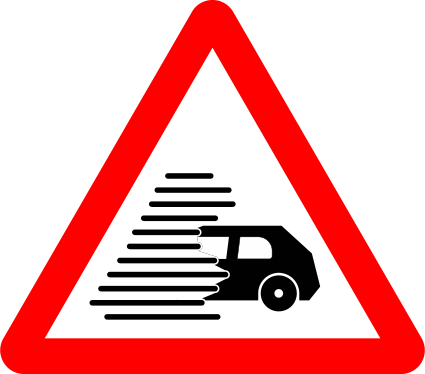
How the law puts it«La luz antiniebla trasera solo podrá llevarse encendida en condiciones meteorológicas o ambientales especialmente desfavorables.» Check
When may you have the rear fog light on?
¿Cuándo puede llevar encendida la luz antiniebla trasera?
It is only allowed in especially bad conditions; otherwise it dazzles and confuses the driver behind.
Why is main beam a bad idea in fog?
Con niebla, ¿por qué no conviene usar el alumbrado de carretera?
The long, high beam hits the suspended droplets and throws a wall of light back at the driver.
✓ Lesson complete
Chapter finished
Now lock it in with this chapter’s exam questions. That’s what helps you remember it most.