Course step 5 of 29 · Danger warning signs (P)
How to read a danger sign
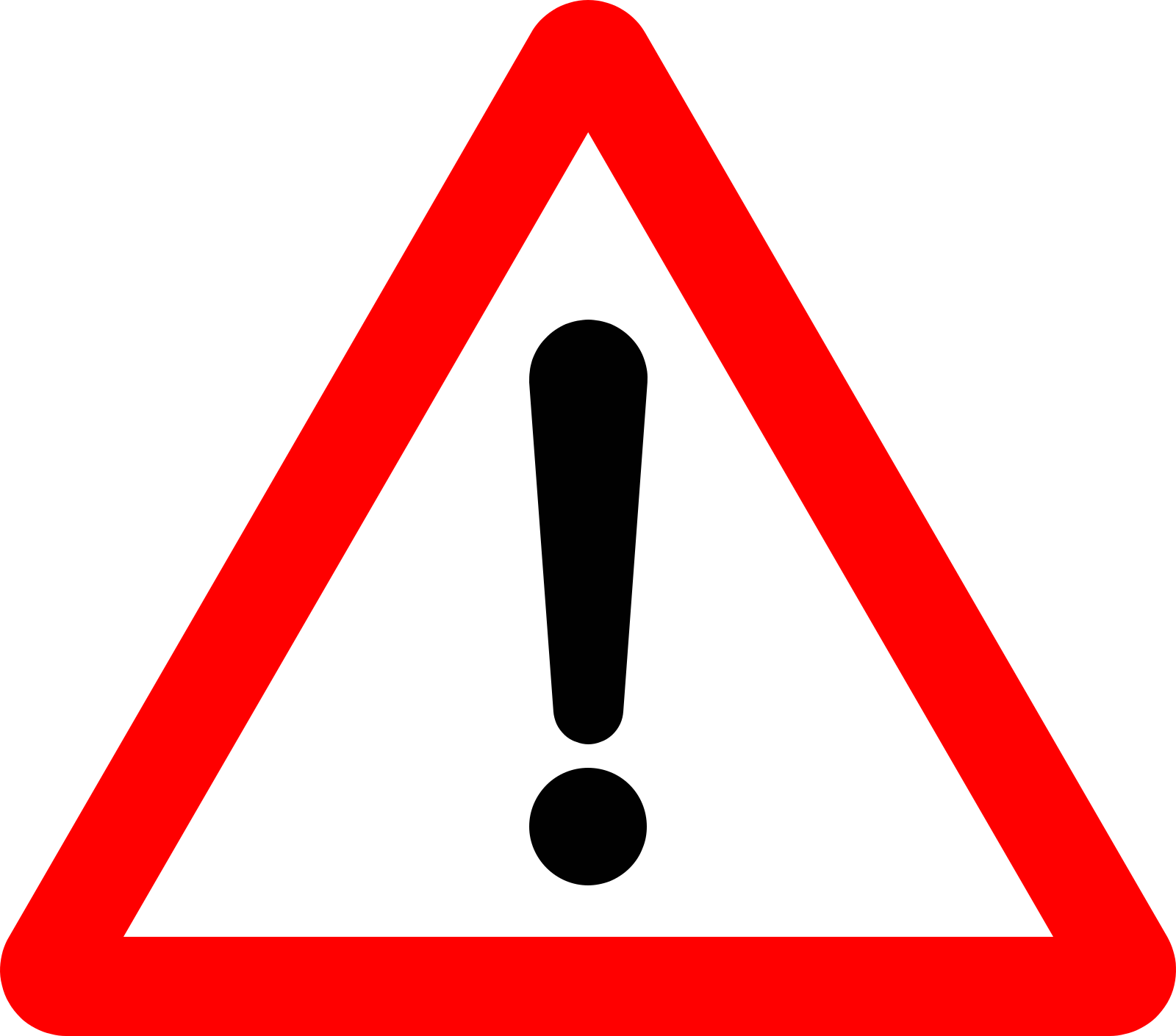
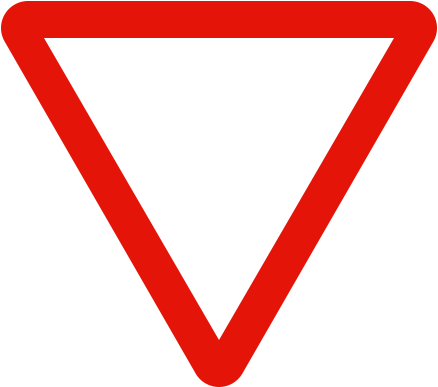
Danger signs are equilateral triangles pointing upwards, with a red border, a white background and a black symbol. They warn of a hazard ahead so you have time to adjust. If the background is yellow, the sign is temporary: it marks a short-term situation, almost always roadworks.

How the law puts it«Las señales de advertencia de peligro indican a los usuarios la proximidad y la naturaleza de un peligro difícil de percibir a tiempo.» Check
What shape are danger warning signs?
¿Qué forma tienen las señales de advertencia de peligro?
An upward triangle warns of danger; the inverted one is 'give way' and a red circle is a prohibition.
A danger sign has a yellow background. What does that colour tell you?
Una señal de peligro tiene el fondo amarillo. ¿Qué indica ese color?
A yellow background identifies temporary signage, which also overrides permanent signs.
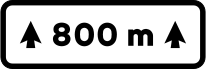
On interurban roads, danger signs are usually placed between 150 and 250 metres before the hazard. If the distance is different, a panel underneath tells you how far ahead the hazard starts (S-800) or how long the affected stretch is (S-810). In built-up areas they are placed much closer to the hazard.

How the law puts it«En vías interurbanas, las señales de advertencia de peligro se colocarán, por regla general, entre 150 y 250 metros antes del peligro.» Check
On an interurban road, how far before the hazard is a warning sign usually placed?
En una carretera, ¿a qué distancia del peligro se coloca, como norma general, una señal de advertencia?
The usual distance on interurban roads is 150 to 250 metres; if it differs, a panel tells you.
Under a danger sign there is a panel showing a number of metres. What can it indicate?
Bajo una señal de peligro hay un panel complementario con una cifra en metros. ¿Qué puede indicar?
Panels S-800 and S-810 show the distance to the hazard and the length of the affected stretch respectively.
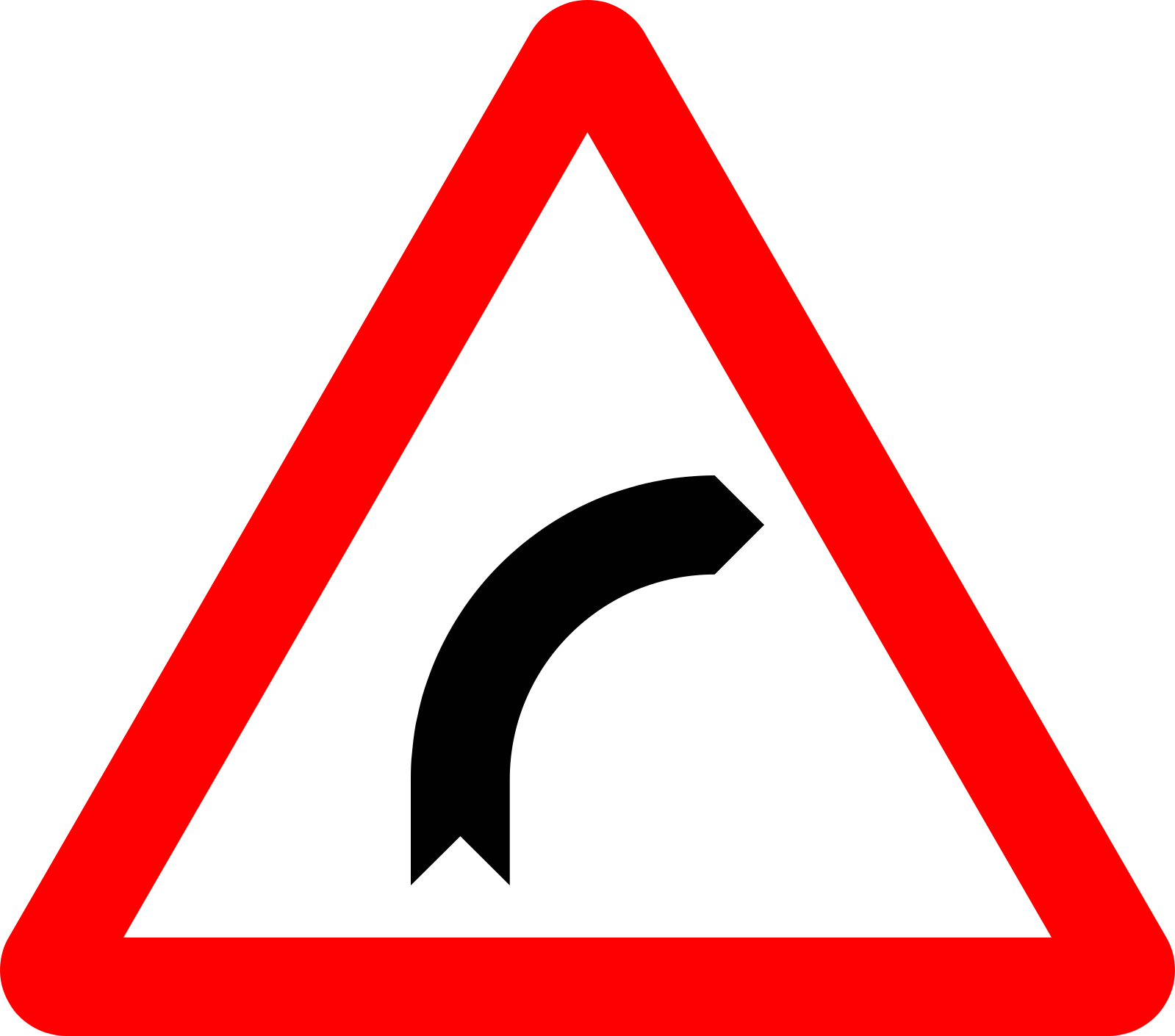
A danger sign does not ban or require anything specific: it is not an order to stop or a speed limit. What it asks is that you pay extra attention and adapt your speed and position to the hazard. If there is also a prohibition or speed-limit sign, you obey both.
How the law puts it«Ante una señal de peligro, el conductor debe adoptar las precauciones necesarias y adecuar la velocidad a las circunstancias.» Check
You see a dangerous-bend sign with no other sign. What should you do?
Ve una señal de curva peligrosa sin ninguna otra señal. ¿Qué debe hacer?
The danger sign warns you but sets no specific speed: you adapt it yourself.
Next to a danger sign there is a 60 speed-limit sign. What applies?
Junto a una señal de peligro hay una señal de velocidad máxima de 60. ¿Qué se aplica?
They don't conflict: one warns and the other limits, so you follow both.
✓ Lesson complete
Chapter finished
Now lock it in with this chapter’s exam questions. That’s what helps you remember it most.